
DVR or NVR: Which Recording System Fits Your Security Needs?
A shop owner in Karachi spent Rs 45,000 on a DVR system last year. Six months later, he wanted to add IP cameras with higher resolution. The DVR couldn’t support them. He faced a choice: keep the old system with blurry footage or replace everything with a network video recorder.
This scenario plays out daily across Pakistan. Buyers choose between DVR or NVR without understanding the fundamental differences. Some overspend on network video recorder systems they don’t need. Others buy outdated DVR technology that limits future upgrades.
This guide answers the core question: what’s better, DVR or NVR? You’ll learn what is DVR, what is NVR, how DVR and NVR compare across every factor that matters, and which system fits your specific situation. Whether you’re protecting a small shop or managing multiple commercial properties, this comparison helps you make the right choice.
What Exactly is a DVR?
DVR Definition and Technology
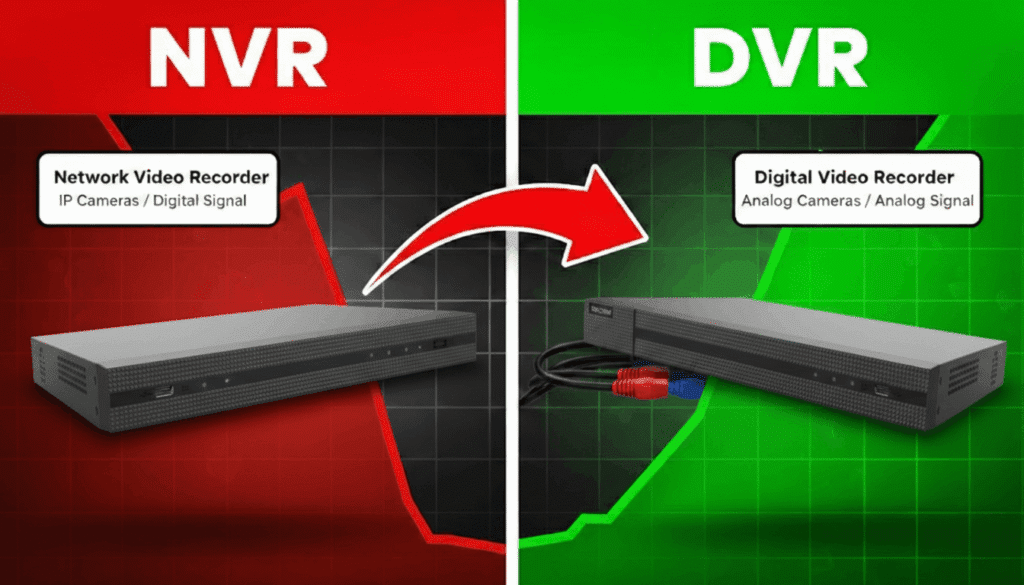
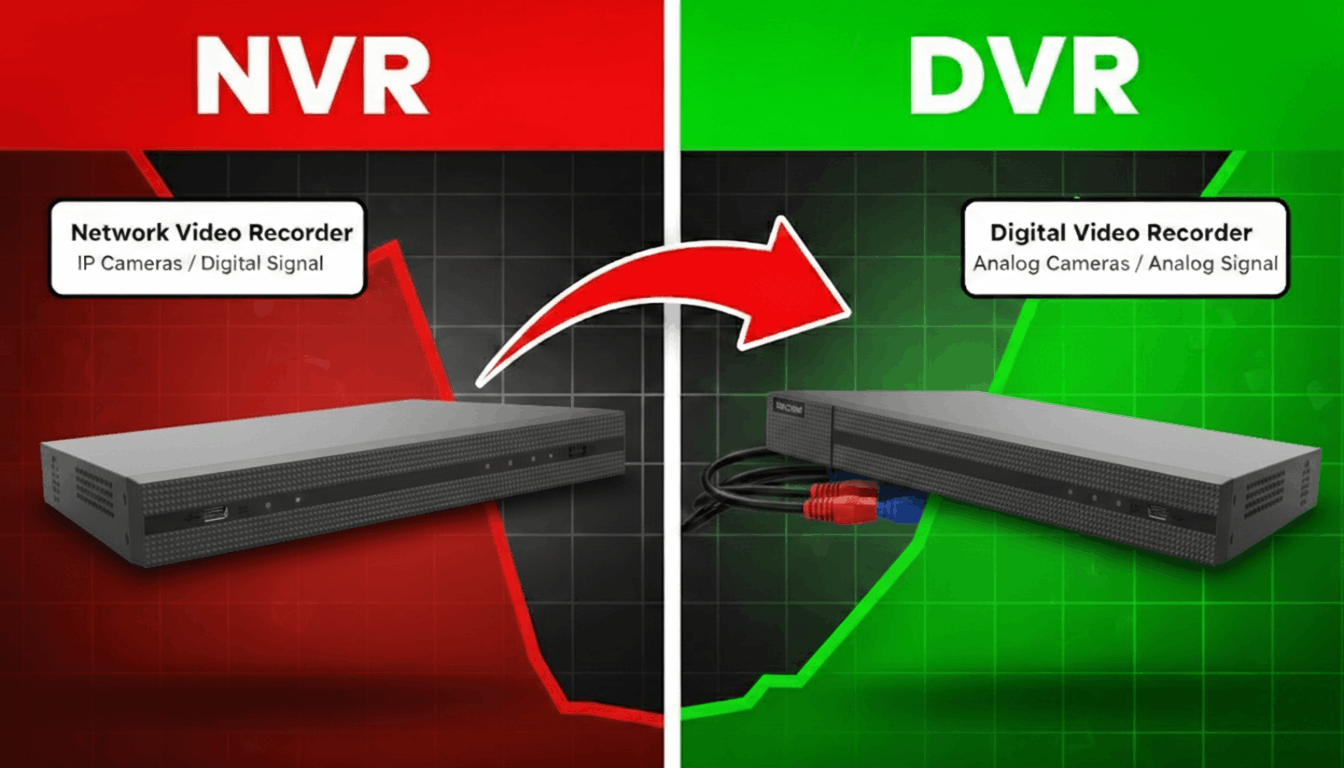
DVR stands for Digital Video Recorder. According to Wikipedia’s definition, a DVR processes video from analog cameras and converts the signal to digital format for storage.
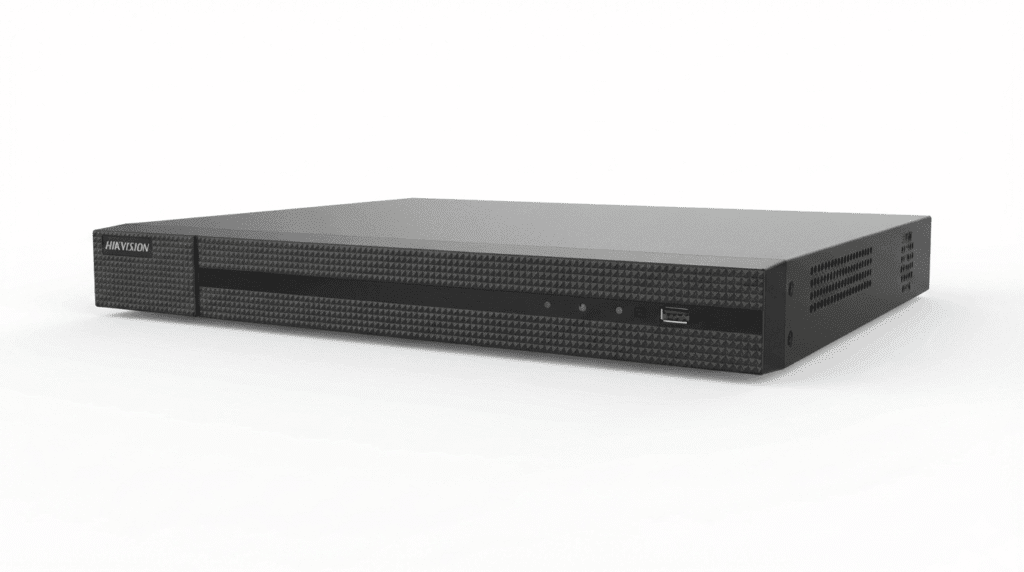
What is DVR in simple terms? A recorder designed for traditional analog cameras. DVR systems use coaxial cables with BNC connectors to transmit video signals. The DVR unit contains built-in processors that handle video encoding and compression.
How DVR Systems Work
Analog cameras capture footage and send raw video signals through coaxial cables to the DVR. The DVR processes these signals, compresses them, and stores the digital files on internal hard drives. This processing happens at the recorder level, not the camera.
IP camera DVR hybrid systems exist but come with limitations. These hybrids accept both analog and IP cameras, though IP functionality remains restricted compared to dedicated network video recorder systems.
DVR Advantages
When comparing DVR or NVR, several factors favor DVR systems:
- Lower upfront cost — DVR systems cost Rs 15,000 to Rs 50,000 for 4-8 channel units
- Simpler installation — No network configuration required
- Existing infrastructure — Works with coaxial cables already in place
- Reliability — Fewer network-related issues
For basic surveillance needs without remote access requirements, DVR and NVR comparisons often favor DVR on price alone. View our Turbo HD DVR 4 Channel for entry-level options.
What is NVR?
NVR Definition and Technology
NVR stands for Network Video Recorder. A network video recorder processes video from IP cameras that encode footage internally before transmission.
What is NVR in simple terms? A recorder designed for IP cameras that communicate over network connections. Unlike DVR systems, NVR network video recorder units receive pre-processed video streams. The cameras handle encoding, not the recorder.
For detailed technical specifications, read our complete guide on what is a Network Video Recorder (NVR).
How Network Video Recorder Systems Work
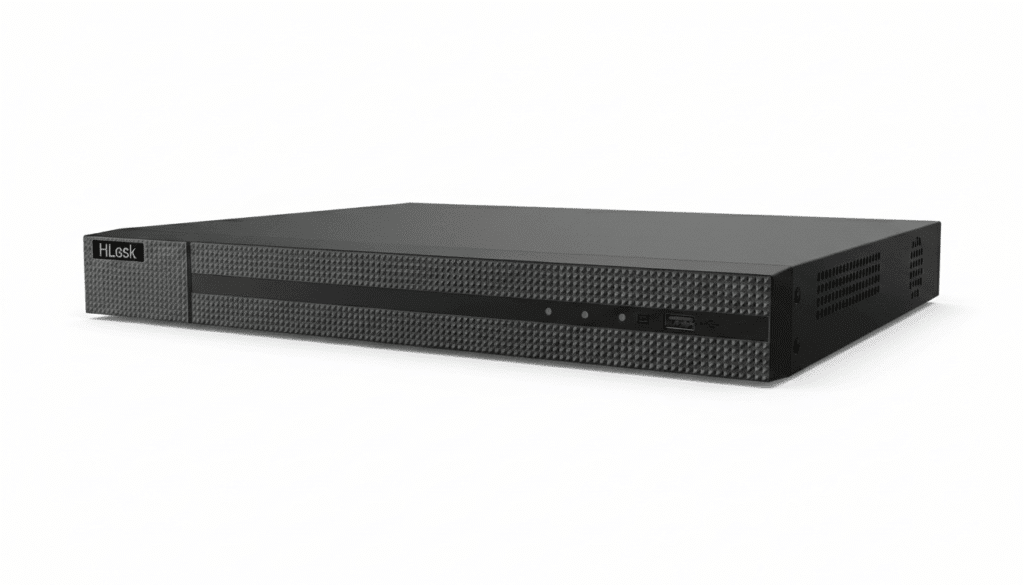
IP cameras capture footage and encode it internally using built-in processors. These cameras transmit digital video over Ethernet cables or WiFi connections to the network video recorder. The NVR receives, manages, and stores these pre-encoded streams.
According to NVR video recorder guides, network video recorder systems offer significant advantages for modern surveillance deployments. The distributed processing model means cameras work independently, reducing single points of failure.
Network Video Recorder Advantages
NVR network video recorder systems excel in several areas:
- Higher resolution — Supports 4K, 8MP, and 12MP cameras
- Remote access — Built-in mobile viewing without complex configuration
- Flexible placement — PoE and WiFi options simplify camera positioning
- Scalability — Easier expansion as needs grow
DVR or NVR: Complete Comparison
Image Quality — Is NVR Sharper Than DVR?
Yes, NVR delivers sharper footage than DVR in most comparisons.
DVR systems typically max out at 1080p (2MP) resolution due to analog signal limitations. Network video recorder systems support 4K (8MP), and even 12MP cameras for ultra-detailed footage.
According to DVR vs NVR technical analysis, the resolution difference becomes critical for identifying faces, license plates, and small details. When footage quality matters for evidence or identification, NVR network video recorder systems win clearly.
IP camera DVR hybrids improve on pure analog systems but still can’t match dedicated network video recorder performance on IP channels.
Installation Complexity
DVR installation involves running coaxial cables from cameras to the recorder. Each camera needs a separate power cable unless using powered coaxial solutions. The setup requires no network knowledge.
Network video recorder system installation uses Ethernet cables. Power over Ethernet (PoE) simplifies wiring by delivering power and data through single cables. However, installers need basic network configuration skills.
DVR or NVR for DIY installation? DVR edges ahead for simplicity. Network video recorder systems offer long-term advantages but require more initial setup knowledge.
Cable and Infrastructure
DVR systems use coaxial cables for video and separate cables for power. Maximum cable runs reach approximately 300 meters before signal degradation.
Network video recorder systems use Ethernet cables supporting up to 100 meters standard, or further with extenders. Single PoE cables deliver both power and data, reducing total cable runs.
For new installations without existing coaxial infrastructure, network video recorder system cabling proves simpler despite the network requirements.
Remote Access and Viewing
DVR remote access requires port forwarding, dynamic DNS configuration, and often struggles with firewall issues. Many users never successfully configure remote viewing on DVR systems.
Network video recorder remote access comes built-in. NVR network video recorder mobile apps connect through cloud services without manual network configuration. Users view live feeds and recorded footage from anywhere with internet access.
For business owners wanting to check cameras from their phones, DVR and NVR comparison heavily favors NVR on remote access.
Scalability and Expansion
Adding cameras to DVR systems often requires recorder replacement. A 4-channel DVR can’t accept a fifth camera without upgrading hardware.
Network video recorder systems expand more flexibly. Additional cameras connect through network switches without replacing the NVR unit itself. Network video recorder system architecture supports growth better than DVR infrastructure.
For businesses planning to add cameras over time, DVR or NVR decision should favor NVR for scalability.
DVR or NVR Cost Comparison
Upfront Purchase Costs
DVR systems cost less initially:
- 4-Channel DVR: Rs 15,000 – Rs 25,000
- 8-Channel DVR: Rs 25,000 – Rs 50,000
Network video recorder systems carry higher price tags:
- 4-Channel NVR: Rs 25,000 – Rs 45,000
- 8-Channel NVR: Rs 40,000 – Rs 80,000
View our Turbo HD DVR 8 Channel options for quality DVR solutions at competitive prices.
Camera costs also differ. Analog cameras for DVR cost Rs 3,000 – Rs 8,000 each. IP cameras for network video recorder systems range from Rs 8,000 to Rs 25,000, depending on resolution and features.
Is It More Expensive to Maintain DVR or NVR?
Maintenance costs remain comparable between DVR and NVR systems. Both require:
- Hard drive replacement every 3-5 years
- Occasional firmware updates
- Cable and connector maintenance
NVR network video recorder systems offer easier remote troubleshooting, potentially reducing service call costs. DVR systems may require on-site visits for issues that NVR could diagnose remotely.
Long-term, network video recorder system maintenance costs similar to DVR despite higher initial investment.
Total Cost of Ownership
Five-year TCO analysis should include:
- Recorder purchase price
- Camera costs (analog vs IP)
- Cabling and installation labor
- Maintenance and hard drive replacement
- Potential upgrade costs
Network video recorder systems often prove cheaper over five years because IP camera upgrades don’t require recorder replacement. DVR infrastructure limitations force complete system replacements when upgrading.
Common Problems and Lifespan
What Are the Common Problems with NVRs?
Network video recorder systems face specific challenges:
- Network dependency — NVR network video recorder requires stable local network
- Bandwidth limitations — Multiple high-resolution cameras strain network capacity
- Configuration complexity — Network settings confuse non-technical users
- Security vulnerabilities — Network-connected devices face cyber threats
- Firmware requirements — Regular updates needed for security and compatibility
According to NVR DVR expert guides, proper network design prevents most NVR issues. Working with experienced installers reduces configuration problems significantly.
What is the Lifespan of an NVR?
Network video recorder hardware typically lasts 5-10 years with proper maintenance. Hard drives require replacement every 3-5 years regardless of recorder type.
Firmware support varies by manufacturer. Major brands support NVR network video recorder units for 5-7 years with updates. Budget brands may discontinue support earlier.
DVR and NVR show similar hardware lifespan when comparing quality units. The recorder itself outlasts most hard drives installed within it.
DVR Reliability Considerations
DVR systems face their own challenges:
- Coaxial cable degradation over time
- Limited resolution upgrade paths
- Connector corrosion in humid environments
- Analog signal interference issues
IP camera DVR hybrids add complexity that can reduce reliability compared to pure analog or pure IP systems.
DVR or NVR — Which Do You Really Need?
Do I Really Need an NVR?
Consider network video recorder if you need:
- Resolution above 1080p for identification
- Remote access from mobile devices
- Future expansion beyond current camera count
- Integration with other IP-based systems
DVR or NVR decision depends on your specific requirements. Not everyone needs 4K footage or mobile viewing.
Is DVR Necessary for CCTV?
DVR remains viable for CCTV surveillance in specific situations:
- Basic monitoring without identification requirements
- Budget-constrained installations
- Existing analog camera infrastructure
- Simple systems without remote access needs
What is DVR’s role today? An affordable entry point for straightforward surveillance. DVR and NVR both record CCTV footage effectively within their respective capabilities.
Does Anyone Use DVR Anymore?
Yes. Millions of DVR systems operate worldwide. Budget installations, existing infrastructure upgrades, and simple surveillance needs keep DVR relevant.
DVR or NVR market trends show NVR gaining share, but DVR hasn’t disappeared. IP camera DVR hybrid systems extend DVR platform relevance for users transitioning gradually to IP cameras.
Is DVR Becoming Obsolete?
DVR technology has matured without significant new development. Manufacturers focus innovation on network video recorder platforms. New features, higher resolutions, and advanced analytics appear on NVR network video recorder systems first.
DVR and NVR will coexist for years. However, new installations increasingly favor network video recorder systems for future-proofing.
Will NVR Work Without Internet?
Local Network Operation
Network video recorder systems work perfectly without internet connectivity. The term “network” refers to local area network (LAN), not internet.
NVR network video recorder communicates with IP cameras over local Ethernet connections. Recording, playback, and local viewing function completely offline. DVR and NVR both store footage locally without cloud dependency.
Remote Access Requirements
Internet becomes necessary only for remote viewing. Without internet:
- Local recording continues normally
- On-site playback works fully
- Camera feeds display on connected monitors
DVR or NVR local functionality remains identical. Internet outages don’t affect surveillance recording on either system.
DVR or NVR: Recommendations by Scenario
Best for Budget Home Security
Recommendation: DVR
Basic home surveillance with 4-6 cameras doesn’t require 4K resolution or mobile access for many homeowners. DVR systems provide adequate protection at lower cost.
What is DVR’s advantage here? Price. A complete 4-camera DVR system costs Rs 35,000 – Rs 50,000 versus Rs 60,000 – Rs 90,000 for equivalent NVR setup.
Best for Small Businesses
Recommendation: NVR
Retail stores, offices, and shops benefit from network video recorder capabilities. Higher resolution helps identify shoplifters. Remote access lets owners check cameras from anywhere.
NVR network video recorder investment pays back through loss prevention and operational oversight. Consider professional CCTV installation services in Karachi for optimal system design.
Best for Multi-Location Operations
Recommendation: NVR Only
Businesses with multiple sites need centralized viewing and management. Network video recorder system architecture supports multi-location deployments that DVR cannot match.
DVR or NVR for chains and franchises? Network video recorder exclusively. Remote access and centralized management prove essential for multi-site operations.
Best for Existing Analog Infrastructure
Recommendation: Keep DVR or Hybrid Transition
Buildings with extensive coaxial cabling benefit from preserving infrastructure. Replacing all cables for network video recorder adds significant cost.
IP camera DVR hybrids allow gradual transition. Add IP cameras to existing DVR while maintaining analog cameras. Eventually migrate to full network video recorder system when budget allows.
Why GCCTVMS Supports Both DVR and NVR Systems
Professional Monitoring for Any System
GCCTVMS provides monitoring services for DVR or NVR installations across Pakistan. Our operators connect to network video recorder systems remotely for real-time surveillance. DVR and NVR both integrate with our professional monitoring center.
As one of the top surveillance companies in Pakistan, GCCTVMS delivers expertise across all recording platforms.
Expert Installation and Support
Choosing DVR or NVR requires understanding your specific needs. GCCTVMS consultants assess your property, budget, and requirements before recommending solutions.
Our technicians install network video recorder systems with proper network configuration. DVR and NVR installations include training on system operation and maintenance.
Learn about the largest surveillance camera distribution company options in Pakistan for equipment sourcing.
Free Consultation
Uncertain whether DVR or NVR fits your situation? GCCTVMS offers free consultations to assess your surveillance needs. We recommend network video recorder systems where benefits justify investment and DVR where simpler solutions suffice.
For detailed product comparisons, review DVR vs NVR breakdowns from industry sources.
Conclusion
DVR or NVR? The answer depends on your budget, resolution needs, remote access requirements, and future expansion plans.
What is DVR best for? Budget-conscious installations with basic surveillance needs and existing analog infrastructure. What is NVR best for? Higher resolution requirements, remote mobile access, and scalable systems expecting future growth.
Network video recorder systems dominate new professional installations while DVR and NVR continue coexisting for different use cases. For most businesses and homes wanting long-term value, NVR network video recorder systems justify higher initial investment through better image quality, easier remote access, and superior scalability.
GCCTVMS provides professional monitoring and installation for both DVR or NVR systems across Pakistan. Contact us today for a free consultation to determine which recording system fits your security needs.
FAQ’s
What exactly is a DVR?
DVR (Digital Video Recorder) processes video from analog cameras using coaxial cables. The DVR converts analog signals to a digital format and stores footage on internal hard drives. DVR systems suit basic surveillance with lower upfront costs.
What is NVR?
NVR (Network Video Recorder) processes video from IP cameras over Ethernet or WiFi. Unlike DVR, cameras encode footage internally before sending to the NVR. Network video recorder systems support higher resolutions and easier remote access.
What are the common problems with NVR’s?
Common NVR problems include network configuration challenges, bandwidth limitations with multiple cameras, cybersecurity vulnerabilities, and firmware update requirements. Proper network design and professional installation prevent most network video recorder issues.
Do I really need an NVR?
You need an NVR if you require resolution above 1080p, remote mobile access, future camera expansion, or integration with IP-based systems. Budget-limited users with basic surveillance needs may find a DVR sufficient.
What is the lifespan of an NVR?
Network video recorder hardware lasts 5-10 years with proper maintenance. Hard drives require replacement every 3-5 years. Firmware support from major manufacturers continues 5-7 years. DVR and NVR show similar hardware lifespan.
Is DVR becoming obsolete?
DVR technology has matured without significant new development. Manufacturers focus innovation on NVR platforms. New features and higher resolutions appear on network video recorder systems first. DVR remains functional but declining in new installations.
Is a DVR necessary for CCTV?
A DVR is not necessary for all CCTV systems. NVR works with IP cameras for modern installations. However, DVR remains viable for budget installations, existing analog infrastructure, and simple surveillance without remote access requirements.
Is NVR sharper than DVR?
Yes. NVR supports 4K, 8MP, and 12MP cameras, while DVR typically maxes at 1080p (2MP). Network video recorder delivers significantly sharper footage for identifying faces, license plates, and small details. Resolution difference proves critical for evidence quality.
Will NVR work without internet?
Yes. NVR works on a local network without internet connectivity. Recording, playback, and local viewing function completely offline. The Internet is required only for remote viewing from mobile devices or off-site locations.
Is it more expensive to maintain a DVR or NVR?
Maintenance costs are comparable. Both require hard drive replacement every 3-5 years and occasional firmware updates. NVR offers easier remote troubleshooting, potentially reducing service call costs. Long-term maintenance expenses remain similar for DVR and NVR.